
Dec 3, 2024 | Children-Youth, Families, Teens
A youth psychology expert explains what’s behind their harmful behavior
Sara Goldstein, University of Delaware, The Conversation
Being bullied can make your life miserable, and decades of research prove it: Bullied children and teens are at risk for anxiety, depression, dropping out of school, peer rejection, social isolation and self-harm.
Adults can be bullied too, often at a job, and they may suffer just as much as kids do.
You can help stop bullying in your school or workplace.
I’m a professor who studies child and adolescent development. That includes learning how people become bullies – and how they can be stopped.
First, let’s define what bullying is: It’s mean-spirited, harmful behavior by someone with more power or status – like a popular kid at school or a supervisor at work – who repeatedly picks on, harasses, irritates or injures a person with less power or status.
Bullying can take many forms – physical, like pushing, shoving and hitting; relational, such as spreading rumors, keeping somebody out of a friend group or just rude remarks; or sexual harassment and stalking behavior.
Sometimes, bullies target someone because of their race, religion, sexual orientation or appearance. People from the LGBTQ+ community, or who are overweight, or with a physical or developmental disability are more likely to be bullied. As a result, they may develop mental health problems, including depression, anxiety and self-harming behavior.
So why do bullies do it?
People learn how to bully others early on through what psychologists call modeling and social learning. This means bullies see other people bullying and they essentially model, or copy, this aggressive behavior.
Media is a big culprit here. When mean or violent conduct is glamorized and gamified in music, video games, TV and movies, bullies will imitate what they see and hear, especially if it seems cool or if it’s rewarded.
Family is also an influence. If children grow up in a home without kindness and closeness, but with plenty of physical punishment and heavy conflict – including parents fighting with each other – then children view this behavior as acceptable. They can go on to treat their peers this way.
A similar thing happens when a kid falls into a group of friends who are bullies; they become more likely to bully others themselves. To say it another way, they bully because they think it makes them look cool in front of their friends.
And bullies bully for lots of other reasons. Some do it because it makes them feel better about themselves when they put other people down. Other bullies discovered that force and intimidation worked for them in the past, so it’s a go-to strategy to get what they want. Still others simply have difficulty controlling themselves and can’t calm down when they’re angry.
And with some bullies, it’s just a way to get ahead. For instance, an adult bully in the workplace may spread an embarrassing rumor about a co-worker to keep a rival from being promoted.

Jul 25, 2024 | Children-Youth, DGS Staff, Families, News
To help parents facing adversity nurture their children, a Delaware prof created a program now used by 10 countries.
‘Babies can’t wait’ for their families to resolve issues like homelessness and addiction, Mary Dozier says. So, she found a way to equip their mothers and fathers with the skills needed to meet their kids’ needs while addressing their own issues.
A young mother sits on the floor in a motel room with her baby girl on her lap, her son milling around in the background. The mother taps the infant’s fist on a toy, as the baby dazes blankly, unengaged.
These moments were captured on video before the mother underwent a 10-session intervention for parents who have trouble bonding with their children because of challenges tied to poverty, homelessness and other issues. In a montage of clips filmed afterward, the woman can be seen snuggling the baby sleeping on her chest while she talks to and plays with her young son at her side. In another clip, the son dangles his arm around his mother’s shoulders as she jostles the baby in her lap.
There is life and love in the room.
“This mom continues to live in a motel room,” said Mary Dozier, a professor of psychological and brain sciences at the University of Delaware who developed the program. “We haven’t helped her with child care. We haven’t helped her with housing. We haven’t directly tried to change depression or anything else, and yet, these two children’s lives have fundamentally changed.”
Dozier has spent three decades studying the development of infants and young children. The home visiting program that she developed, dubbed ABC for Attachment and Biobehavioral Catch-Up, uses coaches who provide in-the-moment positive reinforcement to help parents learn to nurture a child, follow a child’s lead and avoid frightening behaviors. These skills are useful for anybody, but they are “especially important when children have experienced adversity or trauma,” Dozier said.
Through a series of studies coordinated with the Philadelphia Department of Health and Human Services, Dozier and a team of researchers identified children who were at risk of neglect and have followed their development for 15 years, examining the short- and long-term effects of the ABC program. This research has shown that the ABC program – now used in 26 states and 10 countries – improves children’s brain and behavioral development and helps them gain trusting, secure relationships with their parents. Studies have indicated that the easily-implemented ABC program improves children’s executive-functioning and self-control and that it regulates cortisol production, the stress-hormone that partly affects sleep.
“We see this everywhere we go, whether it’s when we implement it nationally and internationally or in a randomized trial,” said Dozier, the UNIDEL Amy E. du Pont Chair of Child Development at the University of Delaware. “We see the parents change. They become more sensitive. They follow the lead more of their child. We see the children’s attachment is more likely to be secure and organized.”
Currently, Dozier and her team have been researching how the ABC program impacts parents with substance use disorder. The $3.1 million, National Institutes of Health-funded study began in 2020 and ends in 2026. It includes about 200 parents from Pennsylvania, New Jersey, Delaware and Maryland who are receiving treatment, such as the medications methadone or buprenorphine that help stem the cravings for and effects of opioids. Since opioids and other drugs interfere with brain receptors involved with the reward system, the natural rewards that come from bonding with a child and parenting may be affected.
“We (humans) are designed so that parenting will be rewarding, but that system gets disrupted when we have enough challenges in our life, either because of drugs or mental health issues or living in a motel room with three kids,” Dozier said. “So what you’ve got to do is change the system, tweak it so that eventually children can be become more rewarding, so that the process of parenting is itself rewarding.”
With the parents with substance use disorder in the ABC program, Dozier’s team has been placing electrodes on their heads to study brain activity as they look at pictures of babies and pictures of drugs.
“What we anticipate is that the baby would become relatively more important to them than the drug, if they’re in the … ABC intervention than if they’re not,” Dozier said. “But I don’t know the answer to that at this point.”
Helping parents learn to become more engaged with their children is necessary even before resolving substance use, stabilizing housing or addressing other challenges because “babies can’t wait,” Dozier said.
No matter what situation the parents are in, coaches conducting the ABC intervention do not critique or correct parents’ actions. Instead, starting in the very first session, the coaches “are already trying to find something in what they’re (the parents) doing that is positive and pointing it out,” Dozier said.
The parent should feel supported by the ABC coach whose ongoing, positive reinforcement of what the parent is doing well elicits a “cascade of behaviors, and it makes parents really feel empowered. It makes them feel good about themselves,” Dozier said.
“I was 37, and I was a psychologist when I had my first child,” Dozier said. “If you had an expert come in to say they’re going to evaluate my parenting, I would have found that threatening. And so you can imagine what it would feel like for a 20-year-old who is using opioids.
“Everybody said, ‘How in the world could you possibly have a child? You have no business having a child.’ They’re (the parents) going to just feel so demeaned. So, the positive comments are just so critical in helping them feel rewarded by this process. And eventually, what we want is that they are rewarded by their baby and rewarded by parenting itself. We’re sort of scaffolding that process to get them to that point.”

May 24, 2024 | Children-Youth, Events, Families, News, Outreach
Join the American Foundation for Suicide Prevention and it’s Delaware Chapter for the annual ‘Out of the Darkness Walk. Raise awareness for mental health and suicide prevention. Funds benefit the American Foundation for Suicide Prevention and its Delaware Chapter.
- September 22 – Wilmington Walk at Delcastle Recreational Park. Register Here
- October 19 – Milford Walk at Bicentennial Park. Register Here
Feb 28, 2024 | Children-Youth, Families, Teens
Especially students from LGBTQ+ and marginalized communities
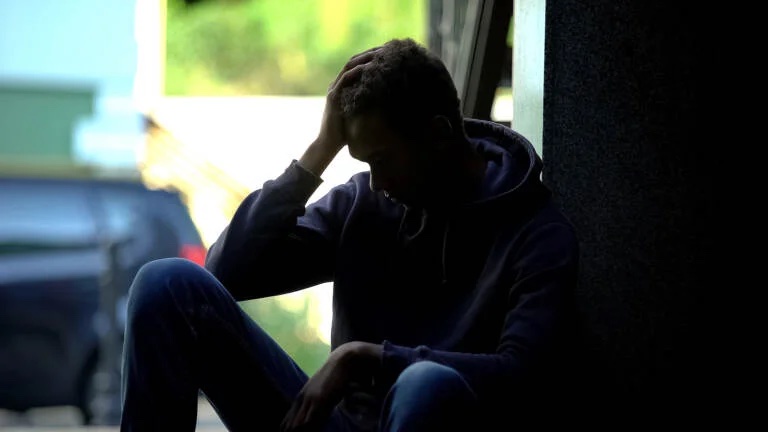
A new survey shows one-third of students cite mental health concerns for dropping out of college, or never going.
High school juniors and seniors frequently find themselves pondering tough decisions about the road ahead. Will they go to college? If not, what comes next?
That journey can significantly impact students’ mental well-being, leading many to choose to delay enrollment or opt out of college entirely.
A recent study by EAB, an educational company once known as the Education Advisory Board, revealed a concerning statistic: nearly one-third of the nearly 6,500 students studied opted out of college due to mental health concerns, with mental well-being concerns being most pronounced among underrepresented groups. Specifically, the issue is particularly notable among 54% of trans students, 53% of nonbinary students, 33% of Black students, 30% of Native American students, and 30% of female students.
Eric Layland, a researcher and assistant professor in the department of human development and family sciences at the University of Delaware, concurs with the research findings, noting deeper stressors within the LGBTQ+ student community.
He said LGBTQ+ students “also face additional stressors based on their LGBTQ minority identities that come from the systemic and day-to-day mistreatment and devaluation of LGBTQ students. … For trans and non-binary students in particular, that’s living in a political climate that is often devaluing their identities and threatening to block their basic human rights.”
While most students who apply for college worry about independent living and forming new connections, some also grapple with the added challenges of being transgender, gay, or Black.
“You layer on top of that additional stressors of having to navigate whether they’ll be accepted for their identities, how they will access and reach firming and positive mental and physical health care and looking for workplace and living environments that will validate and be fair to their identities,” he added.
During the survey, students indicated that stress and anxiety overshadow their college search and planning. Layland even mentioned that suicide attempts are rates of anxiety and depression are higher among LGBTQ adolescenets.
Suicide ranks as the third leading cause of death in Delaware for individuals aged 10-24.
According to America’s Health Ranking, Delaware high school students who identify as queer are more likely to consider attempting suicide compared to their heterosexual counterparts.
‘Cultural competence and cultural humility’
Universities need to proactively consider how they will care for trans or non-binary students, Layland said.
“Cultural competence for providing care to trans and non-binary students is extremely important at universities and that takes continued training and reflection with staff particularly advising in Mental Health Care staff,” Layland said. “So cultural competence, or another idea we might talk about, cultural humility, is really important for working with groups who may have experiences that providers and admin and staff don’t have themselves.”
He says cultural humility centers on an individual’s willingness to learn and engage with people from marginalized groups or communities they may not be part of. This encompasses the adeptness to interact sensitively with individuals, including queer students or those from diverse racial backgrounds.
Another expert from the University of Delaware, Roderick L. Carey, a professor in the Department of Human Development and Family Sciences, emphasizes the crucial role of cultural competence for marginalized groups, particularly in matters of race.
“Race is a very important, life-shaping variable, not necessarily just the color of your skin, but just the ways that the color of your skin offers you opportunities, but also challenges
in maneuvering up and through the K-12 system to even get to college,” Carey said. “We see even preschool age boys Black boys getting suspended and expelled from school.”
Following a suspension, students may be labeled a “problem.” Carey said that experience based on the color of one’s skin can become a traumatic experience for the student, significantly impacting their cognitive development from kindergarten through high school.
“It’s like those types of things, when kids experience those types of traumas in their school, they grow to start to wonder whether or not school in other formations of school like higher education is for them,” he said.
To better support underrepresented groups, experts suggest that universities gather sexual orientation and gender identity data during admissions to get a better sense of enrollment patterns. They say schools should also allocate more resources to help educators enhance their cultural competency.

Jan 15, 2024 | Children-Youth, Families, Teens
Want to make sure your child’s school is safe? These are the questions parents should ask.
With gunfire in schools at an all-time high, though still rare, back-to-school season begins this year with many parents more concerned than ever about school safety.
While many schools and states have turned to physical safety measures such as extra police presence and metal detectors, others rely on social-emotional learning to improve school climate.
“You have these two genres – the zero-tolerance policies and making each school look like a little prison on one side. Ironically, you have – at the same time – the opposite vision of making school’s a more loving and caring and supportive place,” said Ron Avi Astor, a professor of social work and education at the University of California, Los Angeles.
He noted that schools are increasingly leaning on both methods simultaneously to address school safety – a route he said might not work.
“Are both of these views compatible? Can (students) feel like they belong … if their school is doing both? We don’t know for sure,” Astor said. “These are really, in some ways, scary times in our country, because it’s not a simple list that parents should think about. They have to balance all these issues.”
Experts, educators and advocates offered USA TODAY some of the questions parents should consider when assessing the safety of their children’s schools.
What is social-emotional learning?
School climate, which refers to students’ feelings of acceptance, appreciation and value in their school, is the most important factor for maintaining safety, said Aaron Kupchick, professor of sociology and criminal justice at the University of Delaware.
To maintain a positive school climate, experts stress the importance of teaching social emotional learning (SEL) – which prioritizes the development of social and emotional skills in students, including self-awareness, empathy and resilience. Over the past few years, SEL has been linked to critical race theory, and conservatives have said the practice as a form of “woke indoctrination.”
SEL at school is crucial for student safety and success, said Heather Reynolds, a professor of teacher education at State University New York, Empire State University.
“It impacts not only safety, but academics. It improves mental health and students feel safer. They’re more engaged, more likely to come to school and have a positive perception of school.”
Oct 17, 2023 | Charity, Children-Youth, Events, Families, News, Outreach, Teens
With your support, Delaware Guidance Services continues to serve children and their families here in Delaware!
Click on our video to see images from our 70th anniversary celebration!

Jun 6, 2023 | Families, News, Teens
Why Delaware believes schools, parents are key to preventing more overdoses among kids
Slipping grades. Missed classes. Inexplicable vomiting and nausea. A sudden stoppage in brushing teeth.
All of these are potential signs of addiction among young people — signs that Delaware state officials urged parents to be on the lookout for as fatal youth overdoses continue to rise.
While recent survey results show lower self-reported drug use rates among high school students in Delaware, experts said a decreased concern about using prescription drugs without a prescription shows the need for greater intervention and education, particularly in schools.
“Students spend an average of 1,000 hours each year in school, so we know that schools need to be an active partner in helping our kids and their families navigate the changing landscape of substance abuse,” said Delaware Secretary of Education Mark Holodick at a community briefing Friday.
The new data comes from the Youth Risk Behavior Survey, which is taken every other year by a random representative sample of students enrolled in district, charter and “alternative” schools in Delaware, as well as by many students nationwide. The anonymous survey asks about everything from seatbelt usage to physical activity and is analyzed by the Centers for Disease Control and Prevention.
Among the Delaware students surveyed, 6% said they’d taken prescription pain medicine without a doctor’s prescription or differently than how a doctor told them to use it in the past month, and only 58% think their friends think using prescription drugs without a prescription is very wrong.
“Knowing about risks is crucial to supporting school community programs, communication campaigns and other prevention efforts,” Brittingham said.
Fentanyl remains huge problem in Delaware
One of the main risks — and one of the primary causes of overdoses among all age groups — is the presence of fentanyl in drugs, often unbeknownst to the user. The highly potent synthetic drug has become increasingly common in counterfeit prescription pills, which the Youth Risk Behavior Survey shows are more commonly used than opioids like heroin by young people.
Like adults, fatal overdose deaths among youth have increased dramatically in recent years, with most involving opioids like fentanyl.
OVERDOSE DEATHS:A record 447 Delawareans died of overdoses. What we learned about them, their deaths.
Median monthly overdose deaths rose by 109% between 2019 and 2021 for youth between the ages of 10 and 19, according to the CDC, and youth deaths involving fentanyl rose by 182% during that same time period.
Division of Public Health Chief Physician Dr. Michael Coletta explained that many younger people who unintentionally overdose used what they believed to be prescription pills like Xanax or Oxycontin, not realizing that the pills are laced with fentanyl.
Colette said the state has been “meeting kids where they’re at” through their social media campaign, which started in late 2022 with the goal of educating young people about the possible presence of fentanyl in pills they may buy online — sometimes on that same social media platform.
Read Full Article | Delaware Online

Jun 5, 2023 | Children-Youth, Families, News
U.S. Surgeon General Issues Advisory on Social Media and Youth Mental Health
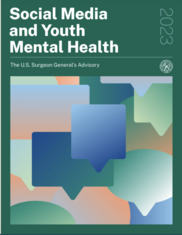
U.S. Surgeon General Dr. Vivek Murthy has issued an advisory about social media’s impact on youth mental health. It notes that while social media can provide benefits for some children and youth, there is a growing body of research about potential harms social media use poses.
Children and adolescents on social media are commonly exposed to extreme, inappropriate, and harmful content and frequent social media use can contribute to poor mental health, including depression and anxiety. The advisory outlines action steps that policymakers, technology companies, researchers, and families can take to mitigate the risk of harm and make social media safer and healthier for children and youth.
OJJDP, in partnership with the National Center for Missing & Exploited Children (NCMEC), provides resources to keep youth safe online, including NCMEC’s NetSmartz program.
In addition, OJJDP’s mentoring programs support youth mental health and its National Mentoring Resource Center is dedicated to enhancing mentoring practices that support positive youth outcomes.
Download the Advisory

Jun 2, 2023 | Events, Families, News, Outreach
June is LGBTQIA+ pride month! Celebrate the ones you love by supporting local businesses, non-profits, and community groups that uplift and enrich the lives of LGBTQIA+ people in Delaware!

Nov 2, 2022 | Children-Youth, Events, Families, News, Outreach, Services
We’d like to thank all who came out to celebrate our partnership (and new space) at the Community Building. This new collaboration only strengthens our ability to provide quality behavioral health services for our Delaware youth and their families.

Sep 15, 2022 | Children-Youth, Families, News, Teens
A recent survey by the RCMP found that 31% of Canadian youth say they have been cyberbullied before. That’s an increase of 17%, which can be blamed on the pandemic, a time in which kids’ screen time soared.
With kids back to school, cyberbullying will become a hot topic once again.
You can’t make a mean person less awful so how can parents, teachers and other concerned adults keep their children safe?
We spoke with experts Dr. Howard Pratt, a psychiatrist and behavioral health medical director at Community Health of South Florida Inc., and Dr. Sara Goldstein, a professor of human development and family sciences at the University of Delaware, who specializes in bullying during childhood and adolescence.
“Because so much of what we do is online, there’s always that space available for someone to message someone negatively online or in a public space and bully another person,” Dr. Pratt tells the Toronto Sun.
“It’s really not a matter of staying safe but rather how to say safer,” he explains. “So, if there is a platform or space online that you learn is a place where bullying is taking place and affecting your child, then much in the same way you do when you learn there is a geographic location where crimes take place, you know you don’t want your kid there and you don’t let them go there.”
That’s easier said than done since parents and teachers can’t protect kids at all times. But adults can watch out for signs. Like bullying, the signs of cyberbullying are similar.
“Often there is a sense of embarrassment by the victim and the kid will try to hide that the bullying is going on,” Dr. Pratt says. “You may notice signs of withdrawal, symptoms of depression and anxiety despite the source coming from someone who is not physically present in your child’s life.”
Depending on the situation — and every situation is different — there are plans that can be implemented for an effective intervention.
“If the bullying is happening on a particular platform, you have to consider risk versus reward when it comes to eliminating it,” suggests Pratt, but warns that parents have to be very sensitive when making these decisions.
“When kids are bullied, whether the bully is someone they know or is a complete stranger, it calls into question so many things for that child,” he explains.
“The kid may ask themself, ‘Is this the way the world is?’ ‘Is this normal?’ ‘What’s wrong with me that this is happening?’
“So, you want to minimize exposure to bullying whether it’s coming from someone they actually know, or whether it’s coming from a complete stranger.”
As far as protecting kids as best as possible, Dr. Goldstein suggests setting clear guidelines and parameters for online behaviour, limiting time online access to devices, and maintaining positive, open relationships with them.
“When kids feel that they can open up to the important adults in their lives, they are more likely to share with them when something challenging is happening,” she says.
“You can never really be 100 per cent safe from cyberbullying,” admits Dr. Pratt. “Bad people are out there who will say and do bad things and we don’t have control of them.”
He suggests getting spyware to find out what your children are up to online.
“It’s better to be safe than sorry,” he says. “You want to know who is communicating with your kids, what they are saying, and most critically, discern the intent behind that messaging, which a child may not be able to fully grasp.”
Full Article HERE | Denette Wilford Publishing date: Sep 10, 2022
Aug 9, 2022 | Children-Youth, Families, News, Services, Teens
— 𝗲𝘀𝗽𝗲𝗰𝗶𝗮𝗹𝗹𝘆 𝗮𝗳𝘁𝗲𝗿 𝗖𝗢𝗩𝗜𝗗-𝟭𝟵 – 𝗢𝗽𝗶𝗻𝗶𝗼𝗻
As parents or guardians, we tend to react quickly when our children’s physical health is in question. If children show physical symptoms, get injured, or express they don’t feel right, we immediately ask questions and seek medical guidance and care. Parents and guardians are also pros at prevention — making sure children get vaccines and wellness exams and keeping an eye out for anything unusual that may indicate they are sick or hurt. That same level of attention and action for prevention and treatment is critical to supporting children’s mental health.
Many children will experience a mental health and/or substance use problem before age 18. In a survey of 80,000 youth around the world, 1 in 4 reported depressive symptoms and 1 in 5 experienced anxiety symptoms. Those rates are double what they were before the pandemic and we also know that more children have experienced trauma in response to COVID-19. The good news is that there are things that caregivers can do to help promote children’s mental wellbeing. Children thrive in the presence of thriving adults who support them in co-regulation and processing their emotions. When a child has an emotionally healthy, caring adult in their life, it can help buffer against stress and help them to navigate experiences with resilience.
Anyone can be that adult for a child and make a real difference in their life. How? One of the easiest ways is for caregivers to talk with the children in their care — naturally, regularly, and intentionally as a part of daily life. Ask how they are feeling in general and about specific situations, like an upcoming social gathering or recent world event. These talks can take place in the car, standing in line, or at the dinner table. Be an active listener and show interest in all aspects of their life and the things that matter to them. And don’t hesitate to talk with them if you are concerned about their mental health and ask whether they are thinking about or planning suicide. If you are concerned about a child in crisis, you should call the 24/7 Child Crisis Line, also known as Mobile Resource Stabilization Service, at 1-800-969-HELP (4357).
In addition to a caring adult, research shows that prevention and treatment programs do work and there are resources available to help children and their families through the Delaware Children’s Department Division of Prevention and Behavioral Health Services and the Department of Education and local schools.
The Division of Prevention and Behavioral Health Services provides free summer prevention programs for children and teens that promote resilience, develop positive relationships with peers and adults and build life skills. Families and community members can contact the division’s Prevention Helpline to learn about these services by calling (302) 633-2680, Monday through Friday, from 8 a.m. to 4:30 p.m., or by email at PBHS_Prevention_Inquiries@delaware.gov. You can click here to see the current catalogue of programs. You can also visit DPBHS’ website to learn more about covered treatment services.
Delaware schools support children through wellness promotion, monitoring for early warning signs, and screening for risks. Students may access group and individualized supports for building social and emotional skills. The state’s Social, Emotional, and Behavioral Wellbeing Plan provides infrastructure for this response system, integrating the innovations from Project DelAWARE — designed to reduce the stigma associated with mental health access — and Project THRIVE — which contracts directly with mental health provider organizations to offer trauma-specific interventions for ALL uninsured and under-insured students, regardless of whether they attend public or private schools demonstration project funded by the US Department of Education. Both of these programs have increased mental health equity for children and youth across our state. Students or parents and caregivers on their behalf can learn more by calling 211 or texting their zip code to 898-211.
—Delaware Online Mark Holodick and Josette Manning – Special to the USA TODAY Network
Mark Holodick is Secretary of Education. Josette Manning is Secretary of the Department of Services for Children, Youth and their Families.


